One Bellevue sixth grader has dedicated herself to helping educate people about environmental protection and national parks.
Joslyn Stamp, 11, has been selected as a Buddy Bison Student Ambassador with the National Park Trust.
The National Park Trust is a nonprofit based in Maryland that works to preserve national parks.
As one of two students selected nationwide, Joslyn became interested in the Buddy Bison program because she was looking for more ways to help the environment.
“My mom and dad have always been outdoor adventurers, and they always take us to Minnesota and we go on so many hiking trails, so that got me interested in nature,” she said.
After an interview process and submitting paperwork, Joslyn became a Buddy Bison Student Ambassador and began her journey of educating people and helping the environment.
“I’m excited because I can tell kids about how amazing the national parks are and all the amazing things you can do,” she said.
Sign up for The World-Herald's afternoon updates
Receive a summary of the day’s popular and trending stories from Omaha.com.
One of Joslyn’s favorite Nebraska sites is Homestead National Monument of America in Beatrice.
“They talk to you like they’re from that time period, and that’s one of my earliest memories of national parks,” she said. “That one was really fun.”
Joslyn, a student at Fairview Elementary, is able to stay a Buddy Bison Student Ambassador until she goes to high school.
As an ambassador, Joslyn’s primary duty is to travel to a national park at least once a month. She and her family hope to go to Minnesota, where there are five national parks, and to Yellowstone.
“I go to a national park and I can do activities, go on Instagram and Twitter and (post) about it,” she said. “I also have a blog on National Park Trust and I can write about what I’ve done there, what I’ve seen there.”
Joslyn also will be able to speak at schools and other events around the community in support of the National Park Trust.
Joslyn also earned the 2018-19 Presidential Youth Environmental Award from the Environmental Protection Agency for her Crayola Colorcycle recycling program, and writes for Sports Illustrated Kids.
With this opportunity, Joslyn said she hopes to spread the word about the environment and showcase how “amazing” national parks are.
“It’s important to educate and tell people about national parks and explore them because the environment is such an amazing thing God gave us and there are so many amazing things you can do,” she said.
“It’s good to protect national parks, because if you don’t help protect them, they may not be there in the future.”
To view Joslyn’s blog on National Park Trust, click here .
Photos: National landmarks of Nebraska
Within the state of Nebraska, the United States National Park Service has designated three National Monuments, five National Historic Trails, and two National Rivers. Together, these landmarks chart a broad path across Nebraska history, from prehistoric landscapes through pioneer settlements, many of which continue to be explored and enjoyed today.
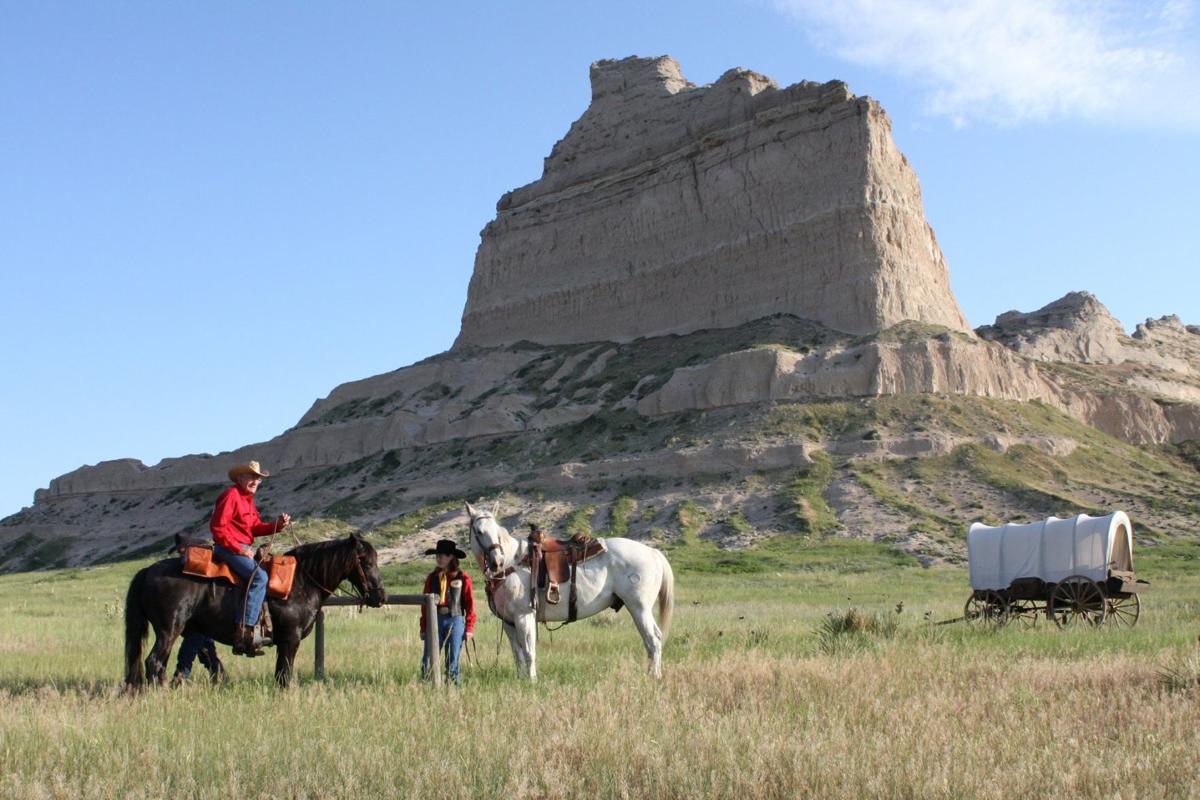
Don Parmenter, left, of Gering and Casey Debus of Morrill wait momentarily at Scotts Bluff National Monument while the mochila transfers horses. In 2008, the two riders participated in a Pony Express re-ride that began in Sacramento, California, and concluded in St. Joseph, Missouri.
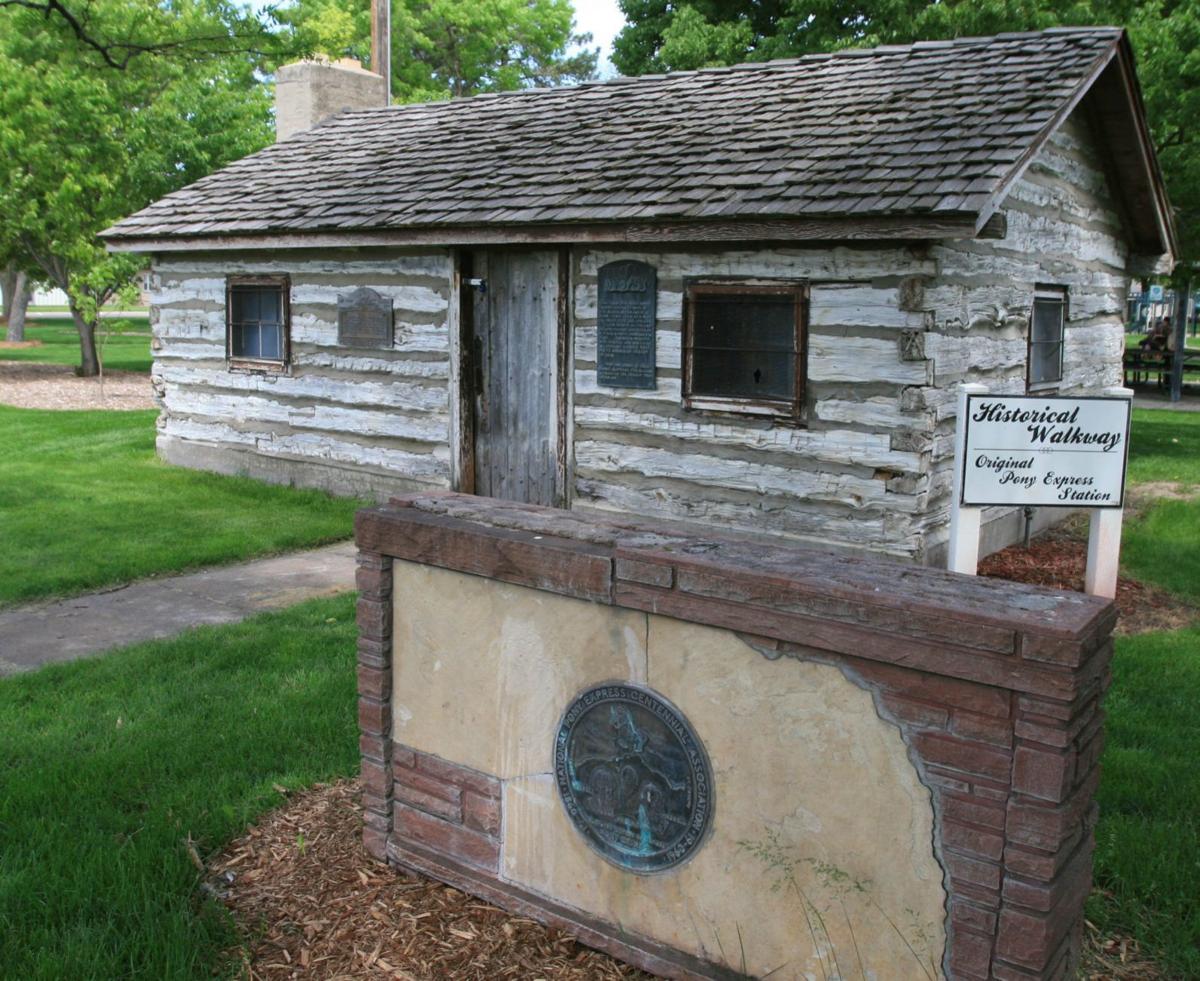
PONY EXPRESS NATIONAL HISTORIC TRAIL
The Willow Island Pony Express station sits in a city park in Cozad, Neb. First used as a trading post, the station also served as a stage coach stop for the Central Overland California and Pikes Peak Express Company. The cabin was originally built on a bank of the Platte River, south of present-day Darr, Neb., and was moved here in 1938.
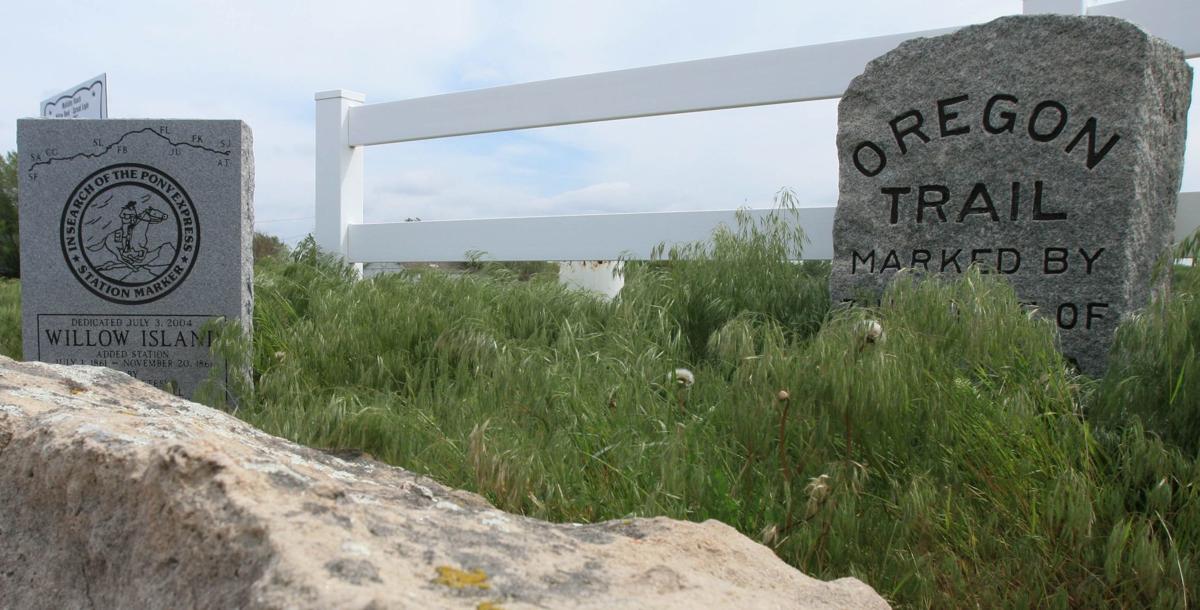
Markers south of exit 231 on Interstate 80, between Lexington and Cozad, designate the nearby sites of the Willow Island Pony Express station, left, and the Oregon Trail.
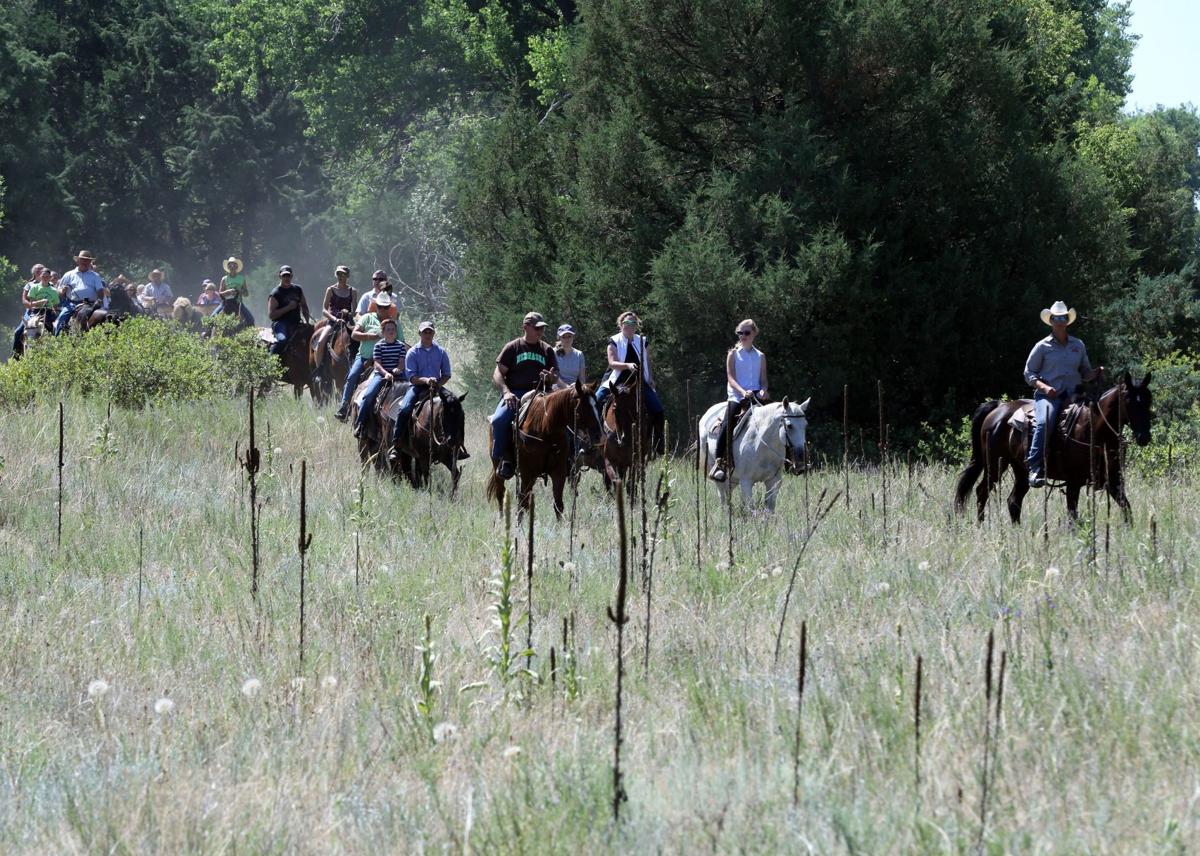
OREGON NATIONAL HISTORIC TRAIL
Trail riders move down the Oregon Trail at Ash Hollow State Historical Park during the Convergence on Sacred Ground event in 2017. In full, the Oregon Trail spanned over 2,000 miles and crossed six states, in which trail landmarks, settlements, wagon ruts and other traces can still be seen today.
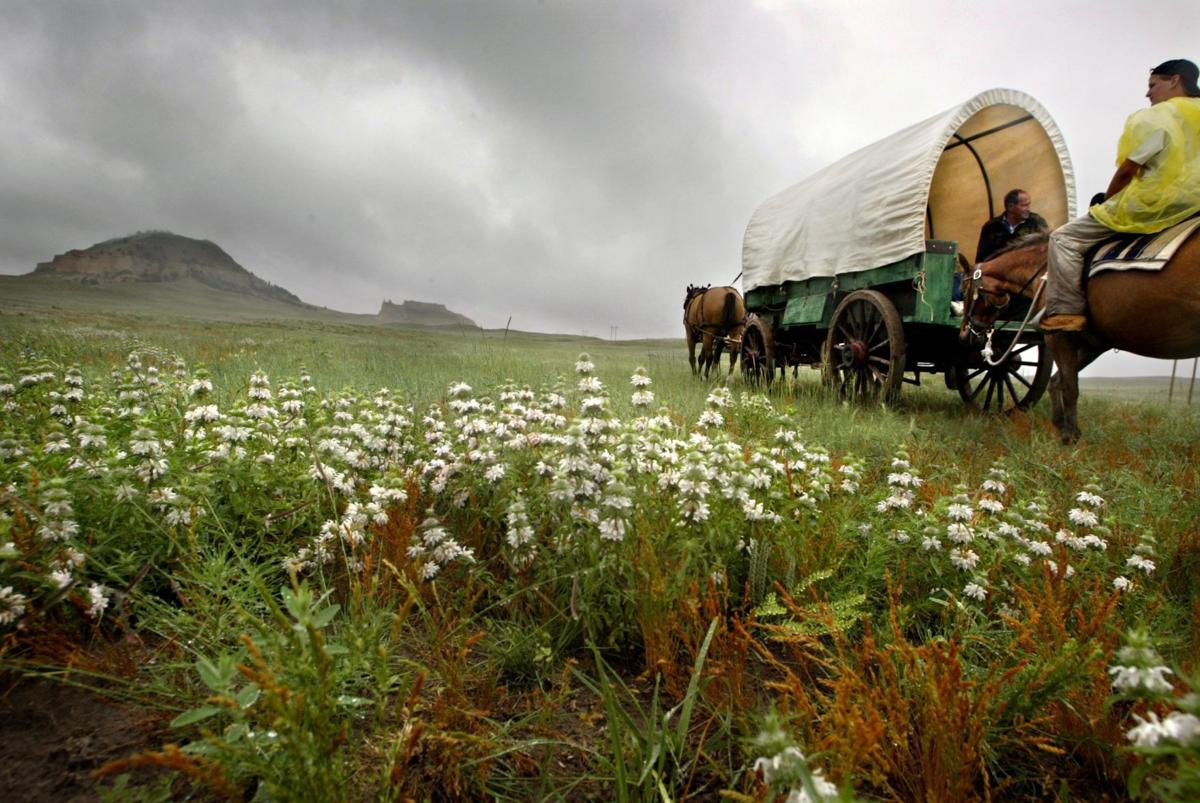
The Oregon Trail Wagon Train passes over a bed of white "plains bee balm" on the first day of a four-day trek. Once a popular tourist attraction, participants were able to experience a little of what the pioneer journey over the prairie near Chimney Rock was like.
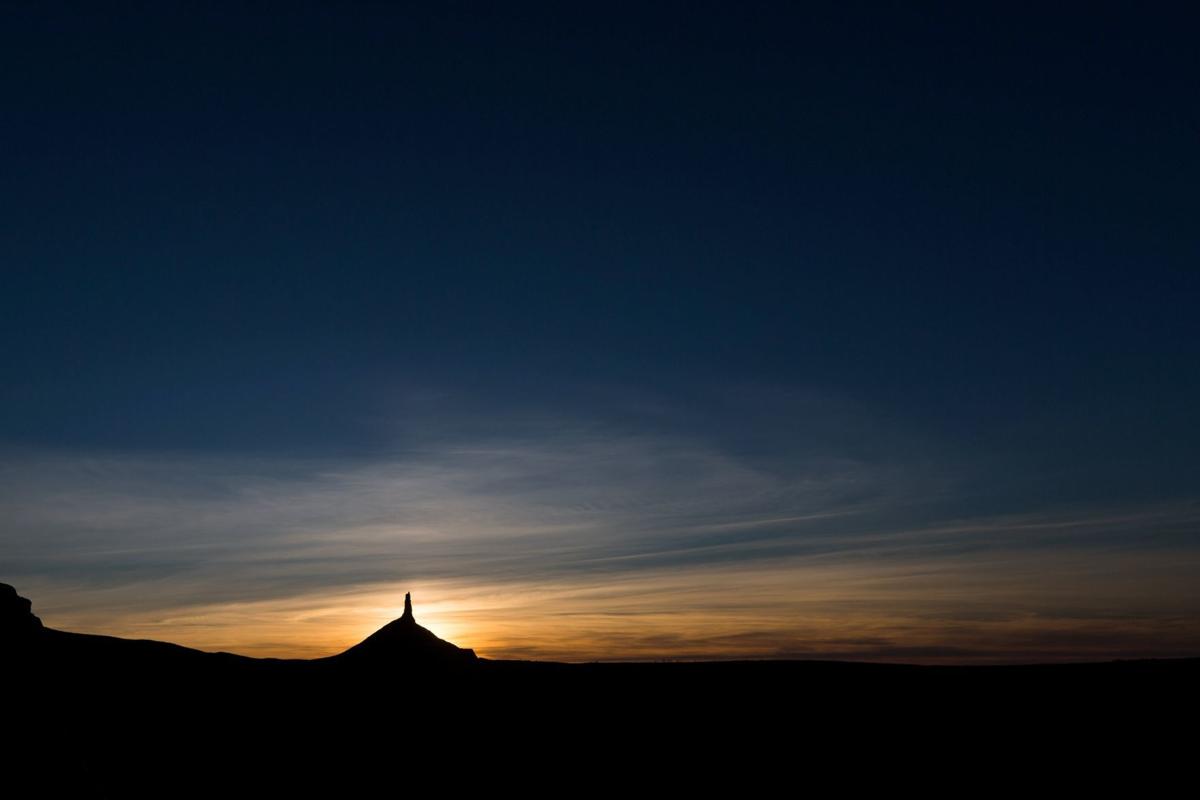
For both Native American tribes and pioneers traveling westward, Chimney Rock, now a National Historic Site near Bayard, was the first of two important markers along the Oregon, Mormon, and California trails in the Nebraska Panhandle. The unique geological formation, along with the landmark at Scotts Bluff National Monument, less than thirty miles away, appears mentioned in the writings of many early settlers.
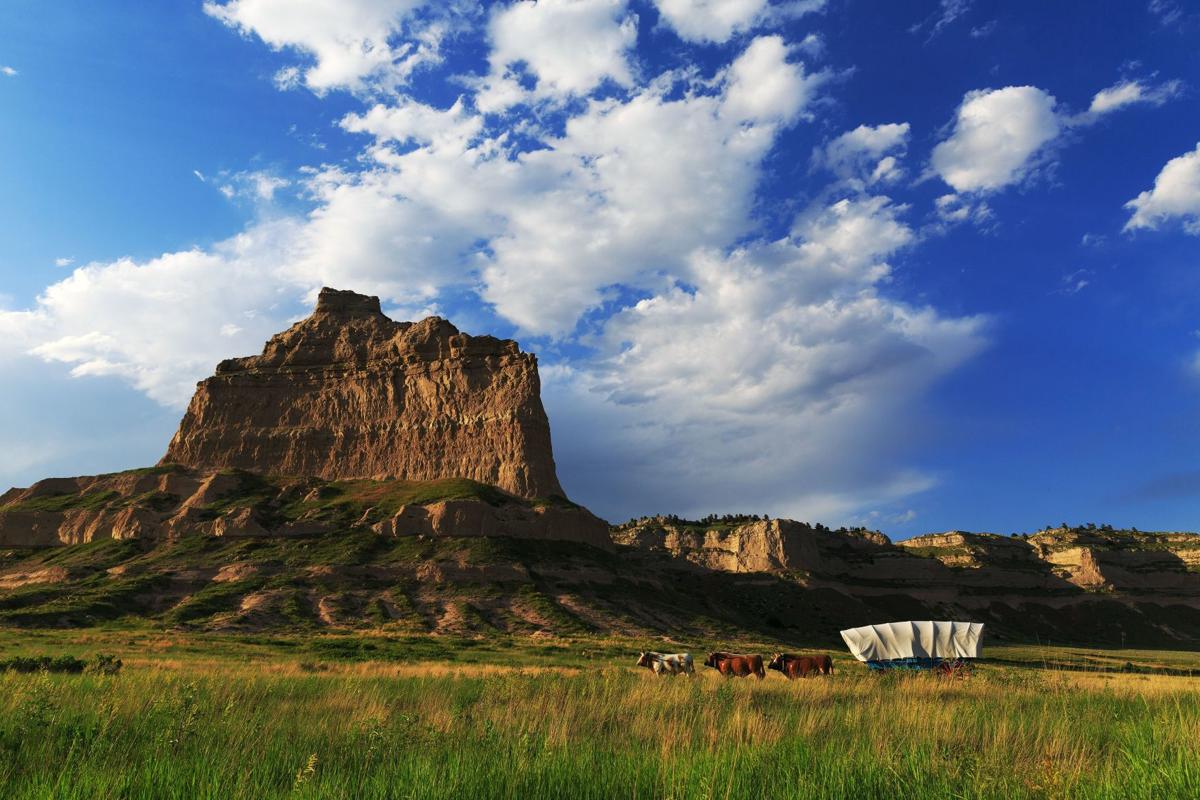
SCOTTS BLUFF NATIONAL MONUMENT
Gering, NE
Evening light and rolling storm clouds create a scenic backdrop for the prairie landscape at Scotts Bluff National Monument. The monument marks its 100th anniversary this year.
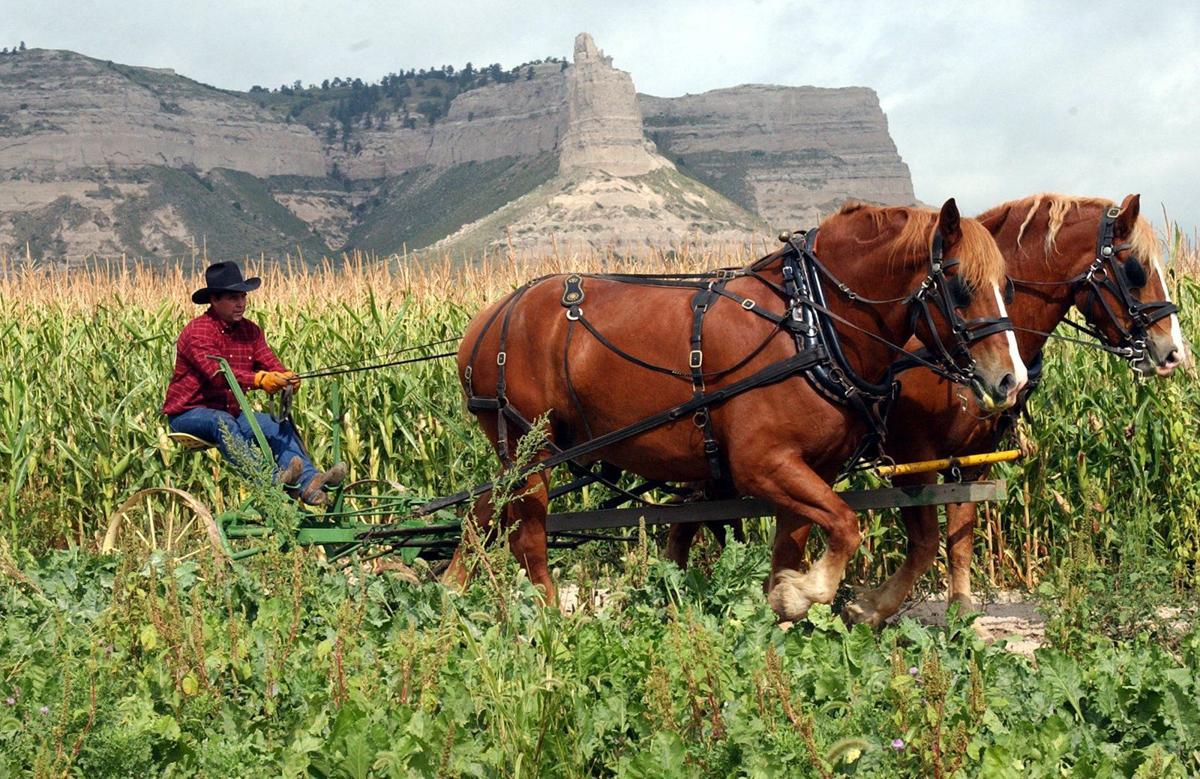
Max Cawiezel operates an antique John Deere sugar beet digger with the help of Belgian horses Bob and Ben at the Farm and Ranch Museum near Gering, Neb. Historical equipment and farming techniques were a part of the museum's eighth annual Harvest Festival in 2004.
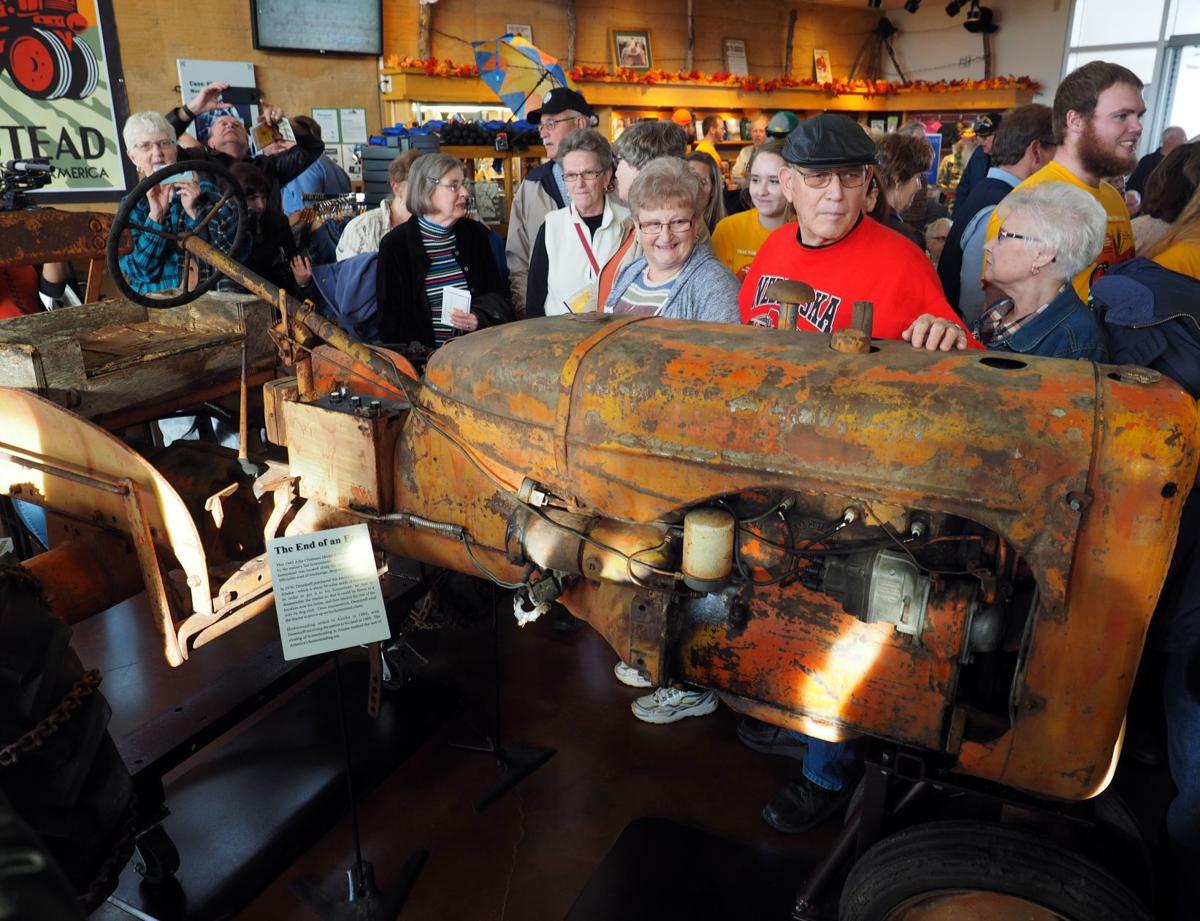
HOMESTEAD NATIONAL MONUMENT OF AMERICA
Beatrice, NE
The Homestead Act of 1862 offered incentive, in the form of 160 acres of free land, to pioneers moving westward. Homestead National Monument commemorates this historic event, housing an extensive collection of homesteading artifacts and offering interactive exhibits documenting the lives of early settlers. On display here is a 1945 Allis Chalmers Model C tractor, used in Alaska on the nation's last homestead.
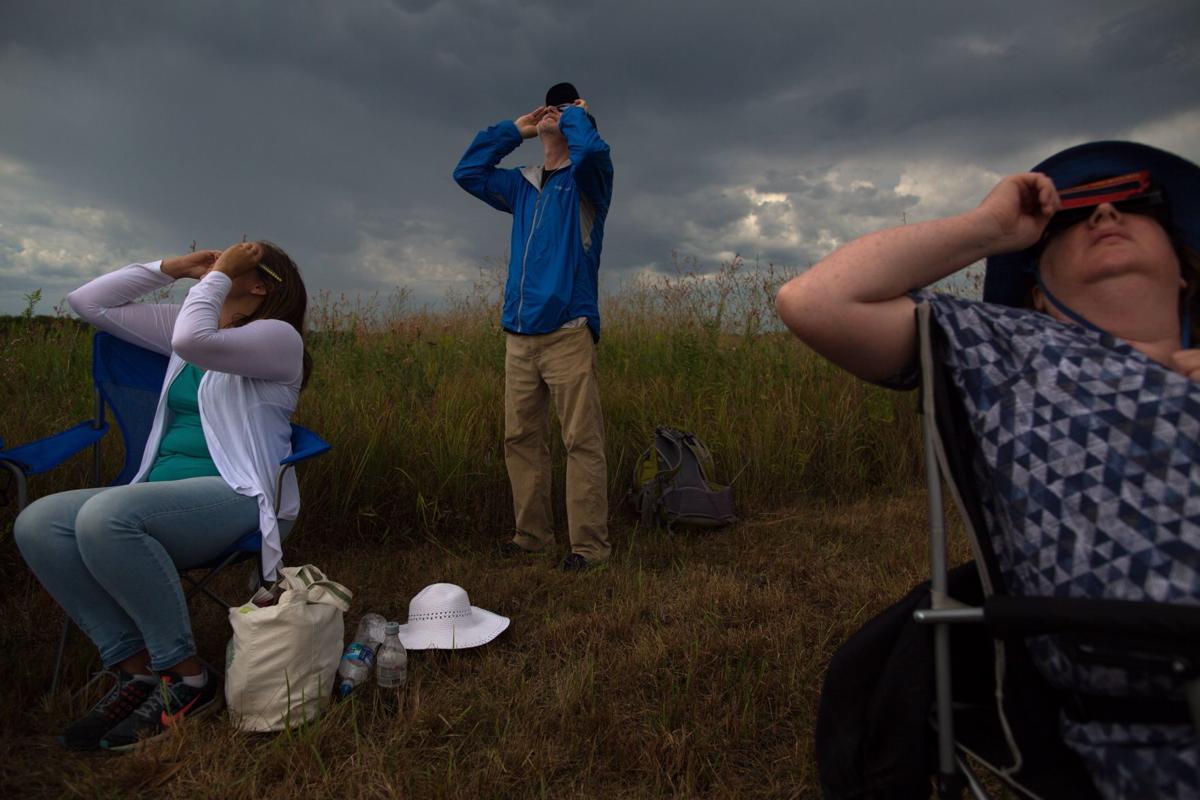
In August 2017, a rare total solar eclipse crossed a wide swath of Nebraska, bringing with it record amounts of tourism to small towns and state parks along the path. Bruce Cardwell, center, of Omaha, Nebraska, waits for the eclipse to reappear from behind the clouds. Homestead National Monument hosted a viewing party for the eclipse, inviting NASA scientists and featuring programs led by celebrity guest Bill Nye.
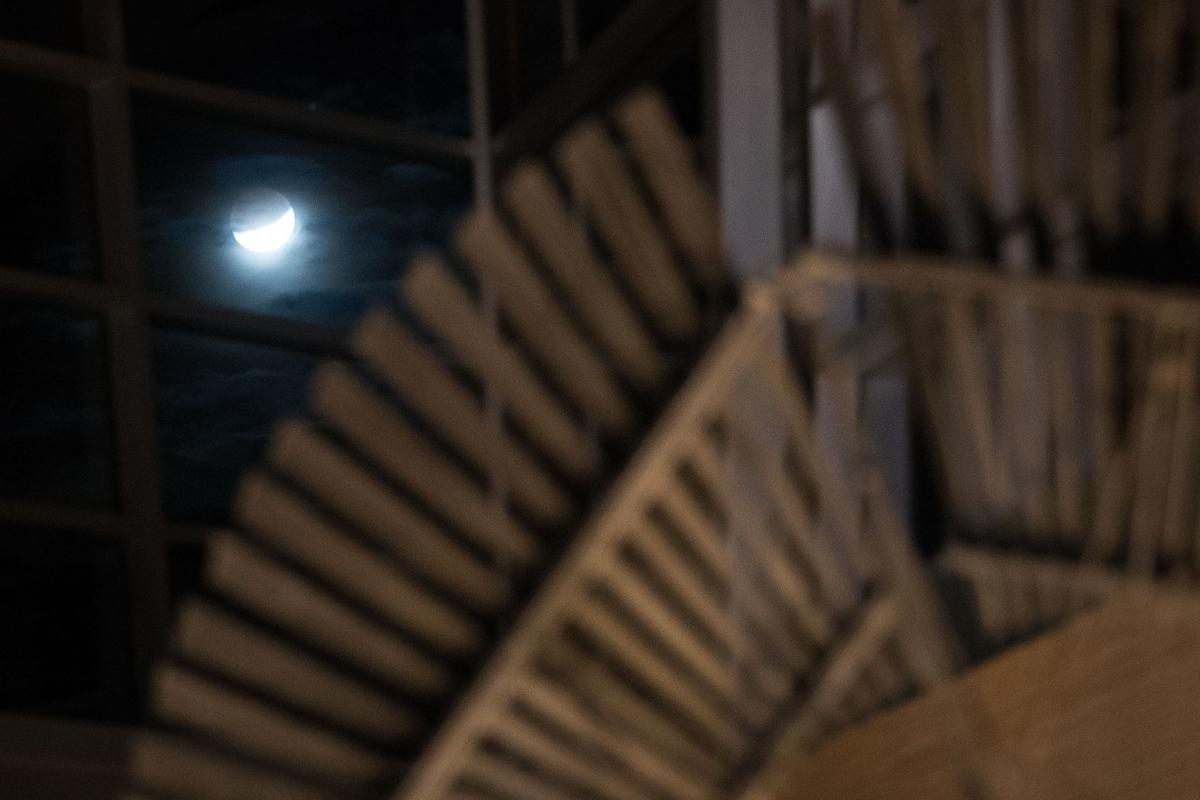
The sky over the Homestead National Monument's Homestead Heritage Center is illuminated by a lunar eclipse on January 31, 2018, as seen through the window of the center. Open prairie and clear skies have made the site popular for star viewing and storytelling, as well as daytime astronomy programs.
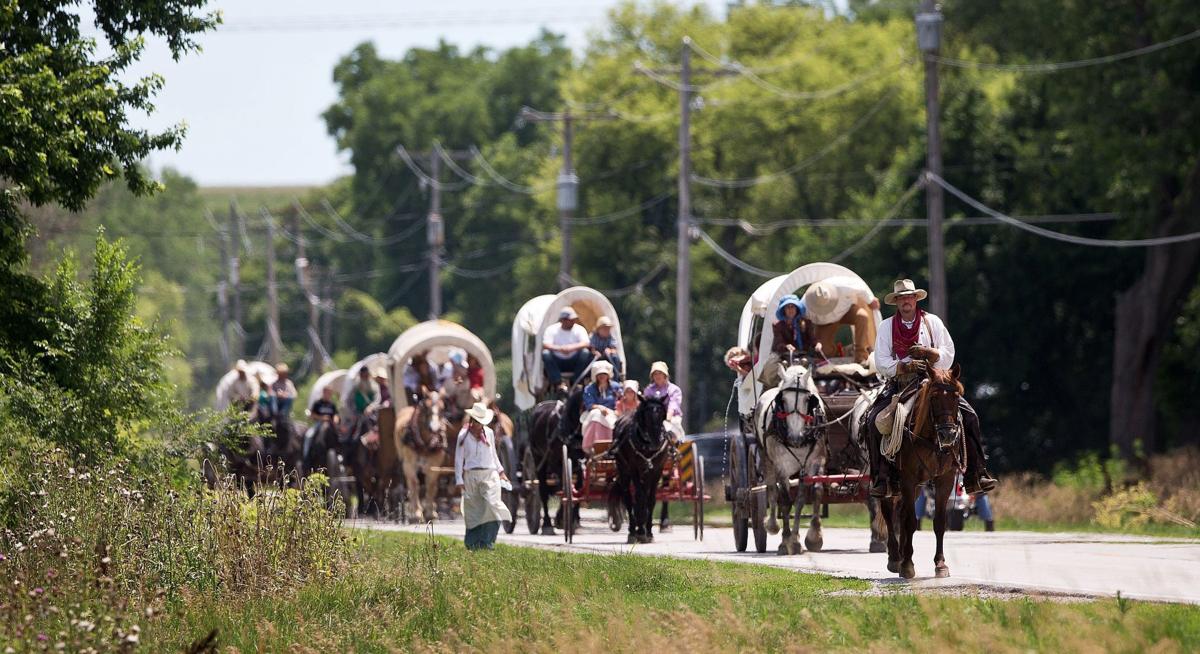
MORMON PIONEER NATIONAL HISTORIC TRAIL
The Mormon Pioneer National Historic Trail traces the path of early Mormon settlers from Illinois, through Iowa and Nebraska, towards Wyoming and Utah. Two notable encampment areas - Winter Quarters in north Omaha and Kanesville in Council Bluffs - served as vital stops along the way.
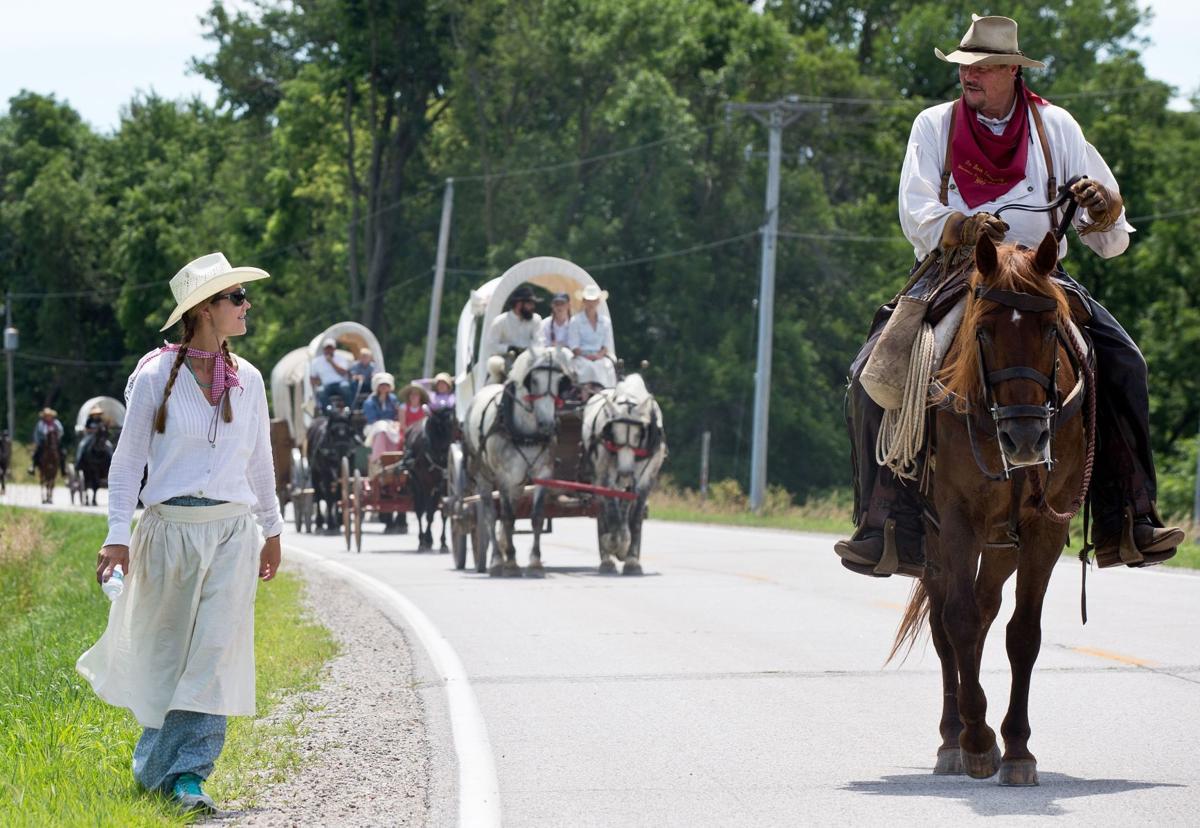
Amber Lutke, left, and Russ Leger lead a wagon train on Pioneer Trail heading to for the Grand Encampment at the Iowa School for the Deaf in Council Bluffs. The event marked the 170th anniversary since the Mormons left Nauvoo, Illinois, to camp in what are now Council Bluffs and north Omaha.
CALIFORNIA NATIONAL HISTORIC TRAIL
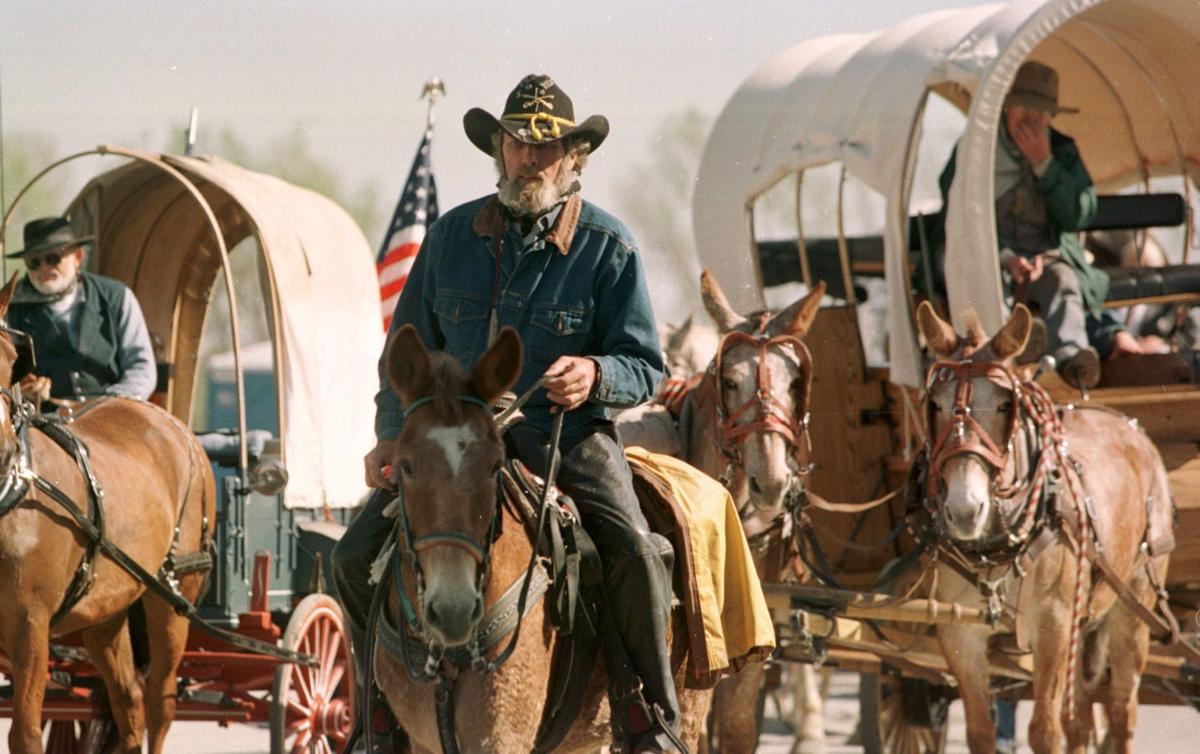
Dave McKeag, trail boss and wagonmaster from Council Bluffs, Iowa, prepares to lead the 150th anniversary Gold Rush Days wagon trail ride to California. The ride started from the Western Historic Trail Center in Council Bluffs, and included a stop overnight in Omaha.

MISSOURI NATIONAL RECREATIONAL RIVER
The Missouri River, as seen from the Chief Standing Bear Bridge connecting Nebraska and South Dakota, near Niobrara on the Lewis & Clark trail. Two segments of the river, totaling just over one hundred miles, make up the Missouri National Recreational River.
LEWIS & CLARK NATIONAL HISTORIC TRAIL
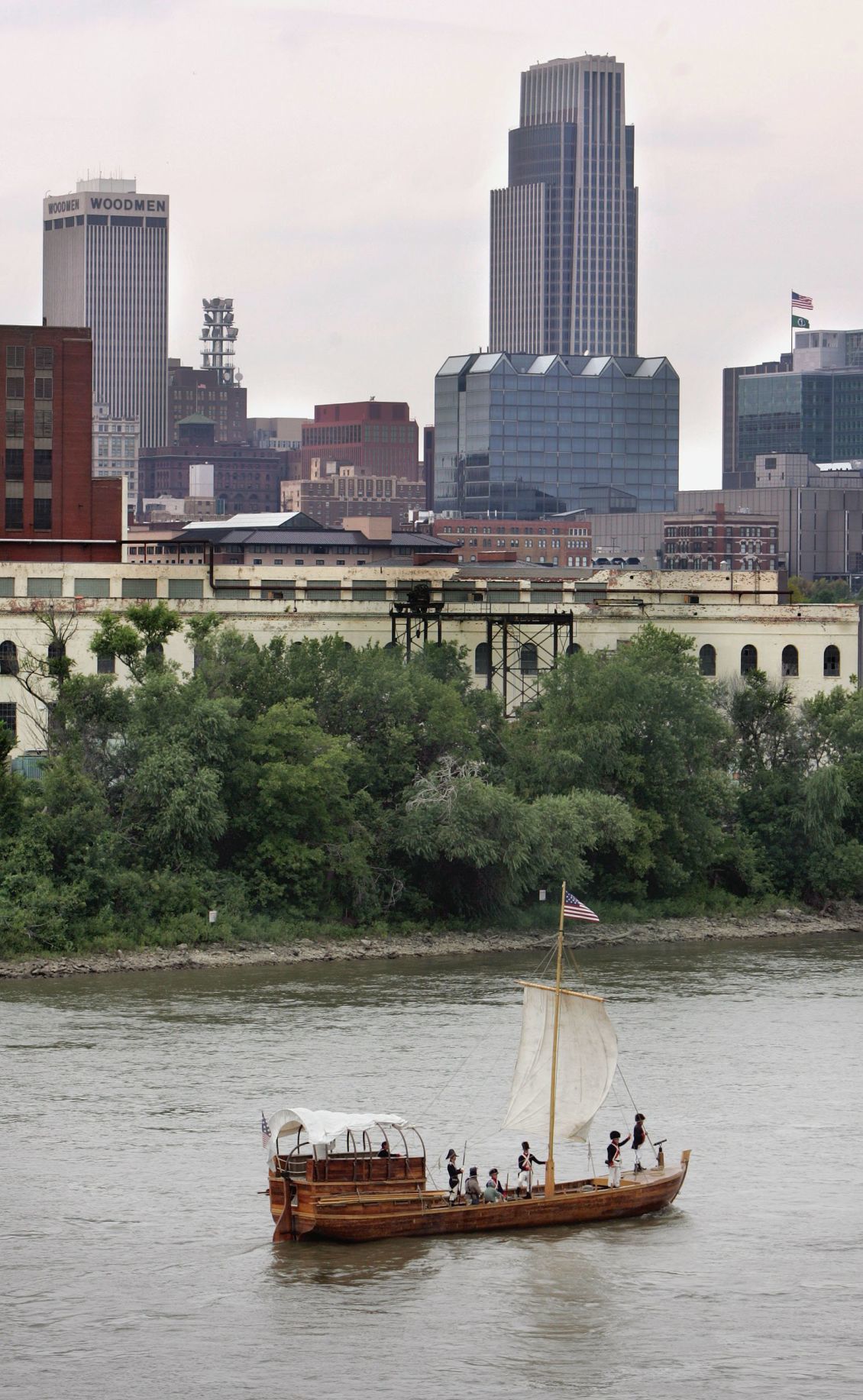
The Lewis and Clark replica keelboat of The Discovery Expedition of St. Charles, Mo., pushes up the Missouri River across from downtown Omaha. As part of the 200th anniversary celebration of the Lewis & Clark Expedition, re-enactors followed the original route of the expedition up the river, stopping at several cities along the way.
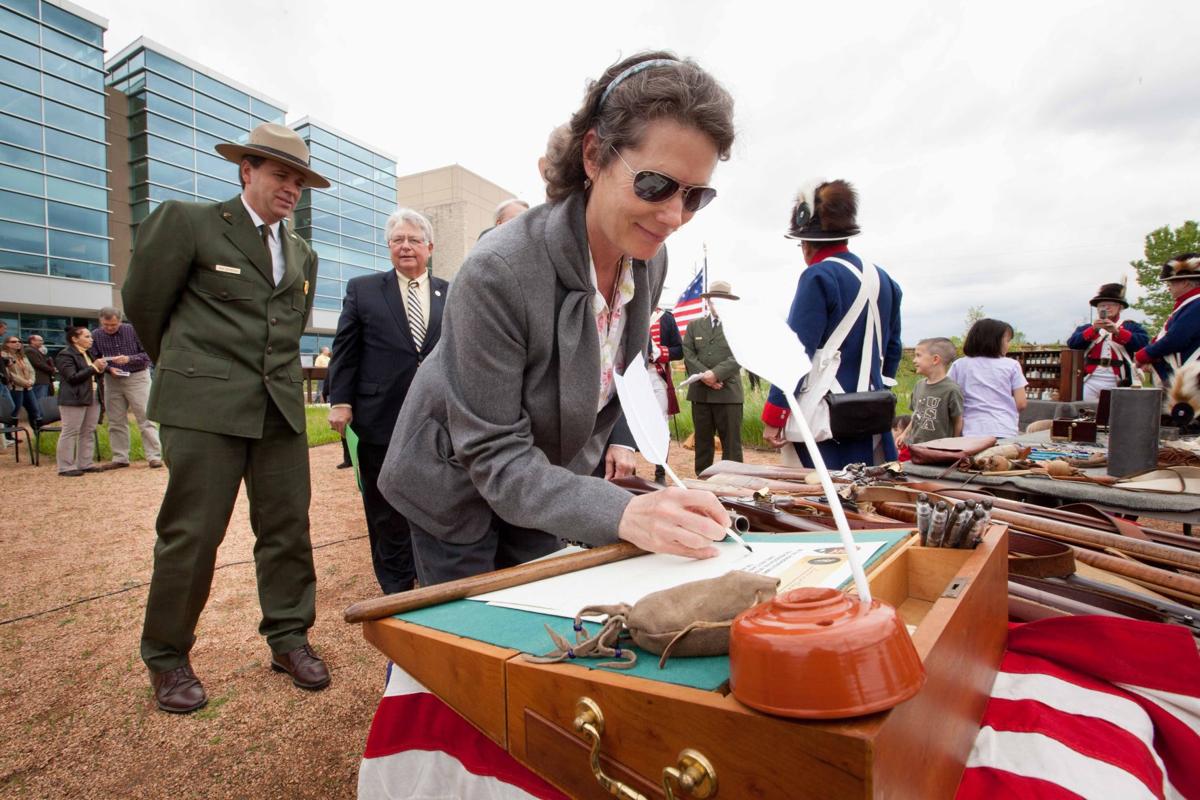
A 2012 press conference, held outside the National Parks Building on the Missouri riverfront in Omaha, announced the formation the Lewis and Clark Trust Inc. Stephenie Ambrose Tubbs, chairman of the trust and daughter of the late author and historian Stephen Ambrose, uses a quill to sign the collaborative agreement, committing to work on the preservation, interpretation and promotion of the Lewis and Clark National Historic Trail for the benefit of all people.
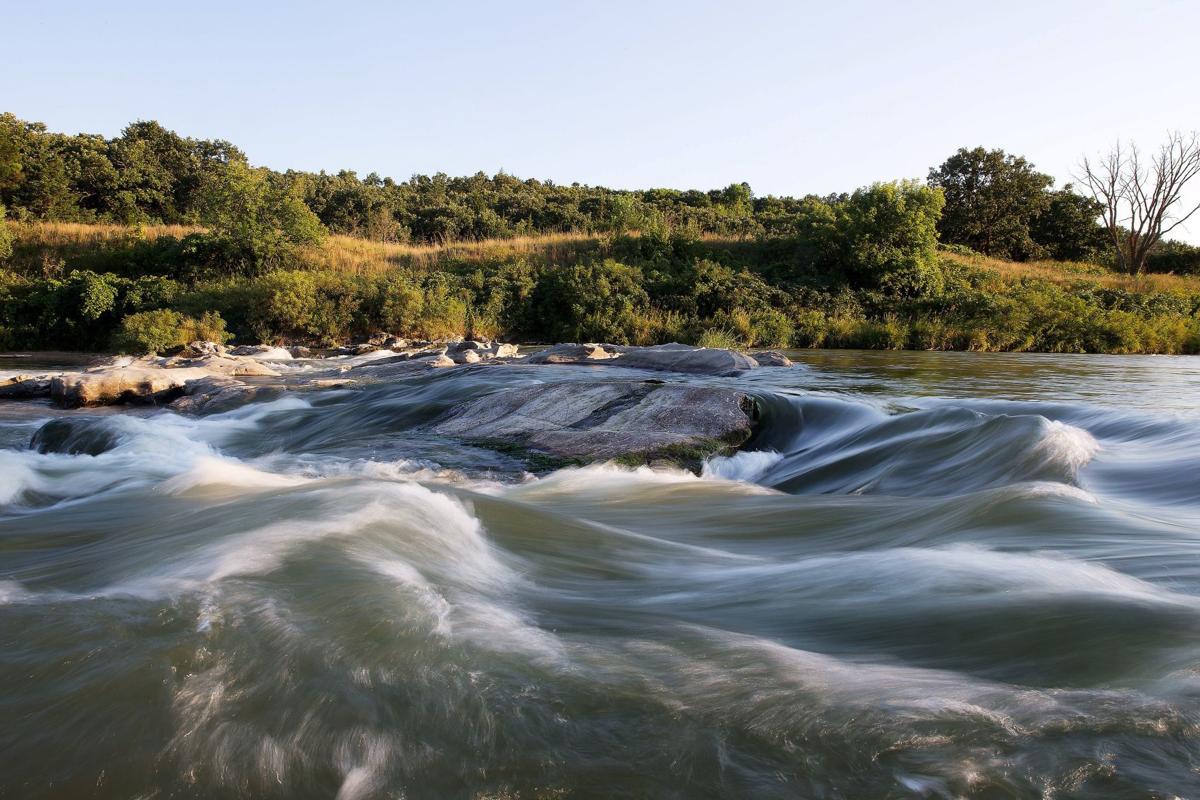
NIOBRARA NATIONAL SCENIC RIVER
Valentine, NE
Rapids attract visitors to the Niobrara River's Rocky Ford area. Only a fraction of segments of rivers in the United States are able to be designated under the National Wild & Scenic Rivers System - the 76-mile stretch near Valentine qualifies by being a free-flowing segment with accessible undeveloped shoreline and clean or managed water. Rocky Ford, a popular take-out site for canoes and float trips, is privately owned, but past negotiations have considered turning it over to the federal government to ensure continued public access.
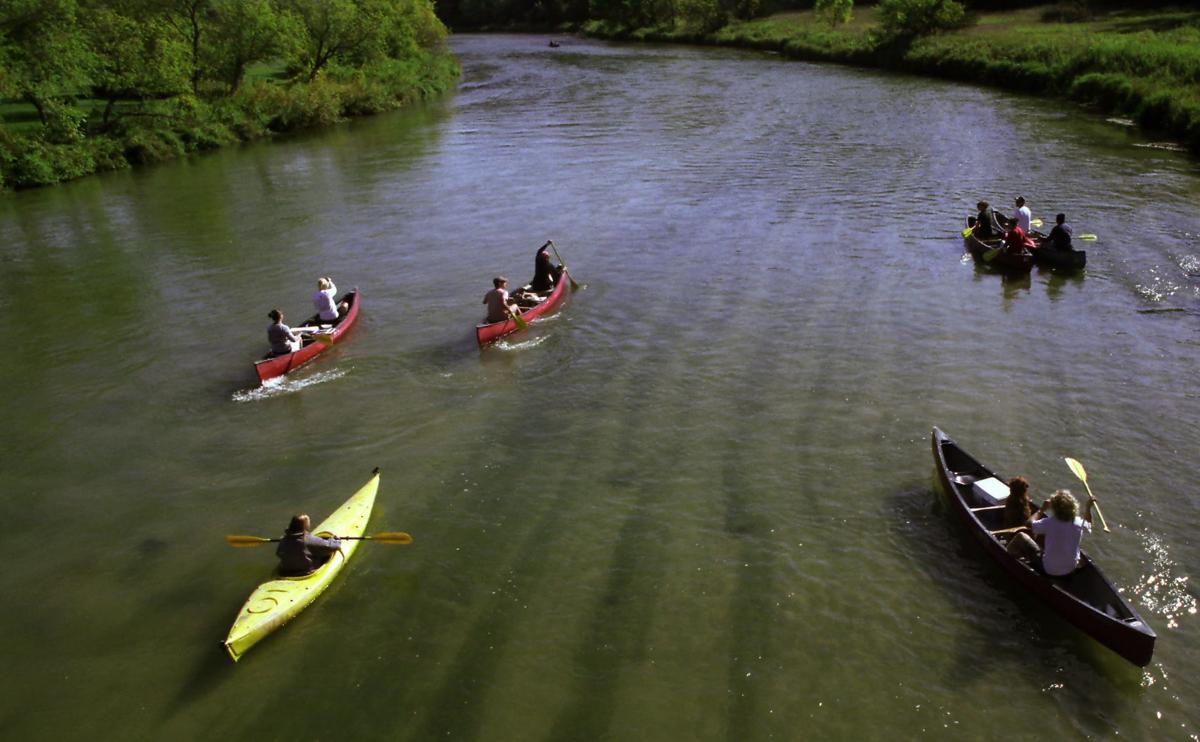
Members of the University of Nebraska at Lincoln Wildlife Club take canoes and kayaks out on the Niobrara River.
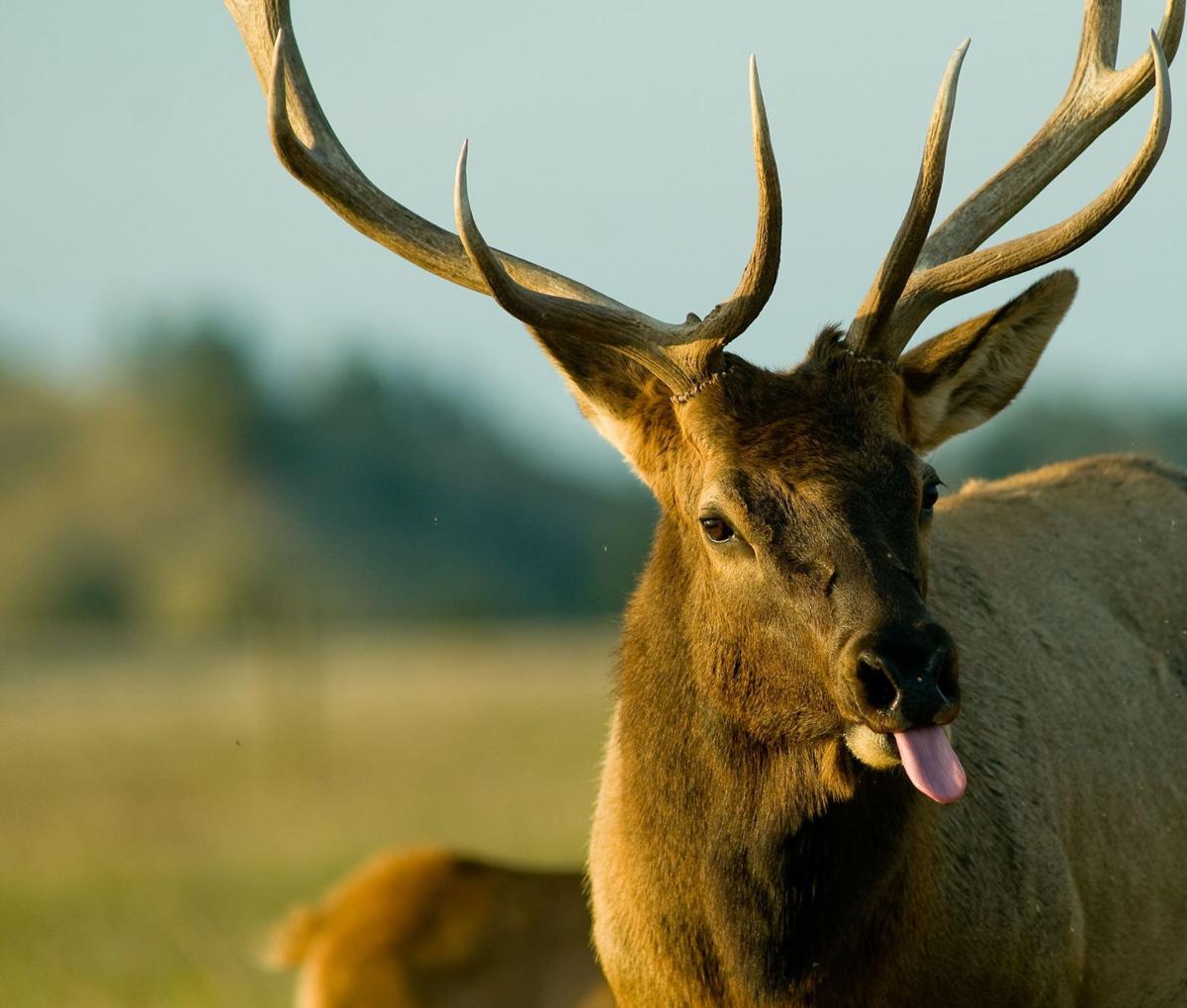
The Niobrara National Scenic River is also home to nationally and regionally significant geology, fossil sites, and wildlife. Diverse species of plants and animals, including elk, can be found at the Niobrara National Wildlife Refuge.

AGATE FOSSIL BEDS NATIONAL MONUMENT
Harrison, NE
Millions of years ago, the plentiful riverbanks and lush vegetation of Northwest Nebraska provided a perfect habitat for mammals that eventually became fossilized and are now being discovered along "Fossil Freeway," a corridor of paleontology sites stretching from Kimball, Nebraska to Rapid City, South Dakota.
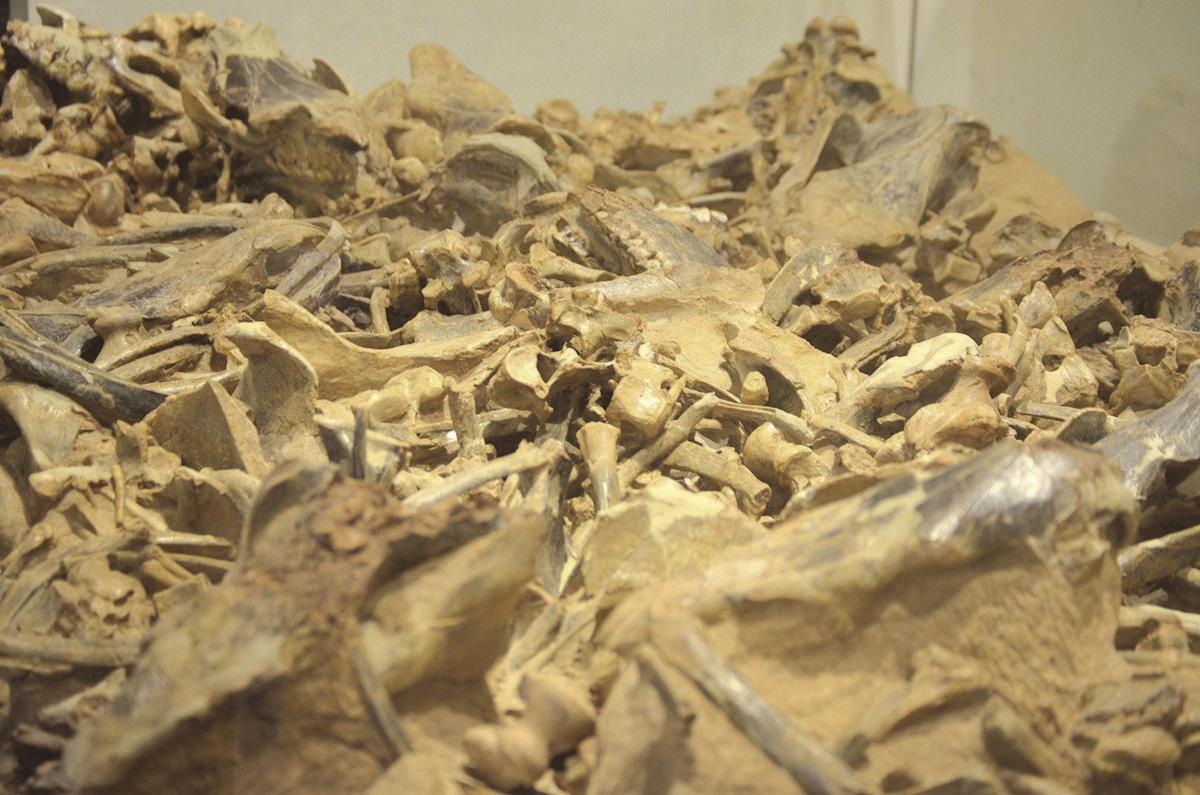
This bock of fossils was collected from the Agate Fossil Beds National Monument and is housed in the American Museum of Natural History in New York City. It contains bones from several different groups of animals, including chalicotheres, giant pigs, oreodonts, cats and dogs. Most of the bones, however, are from Menoceras, a pony-sized rhinoceros.
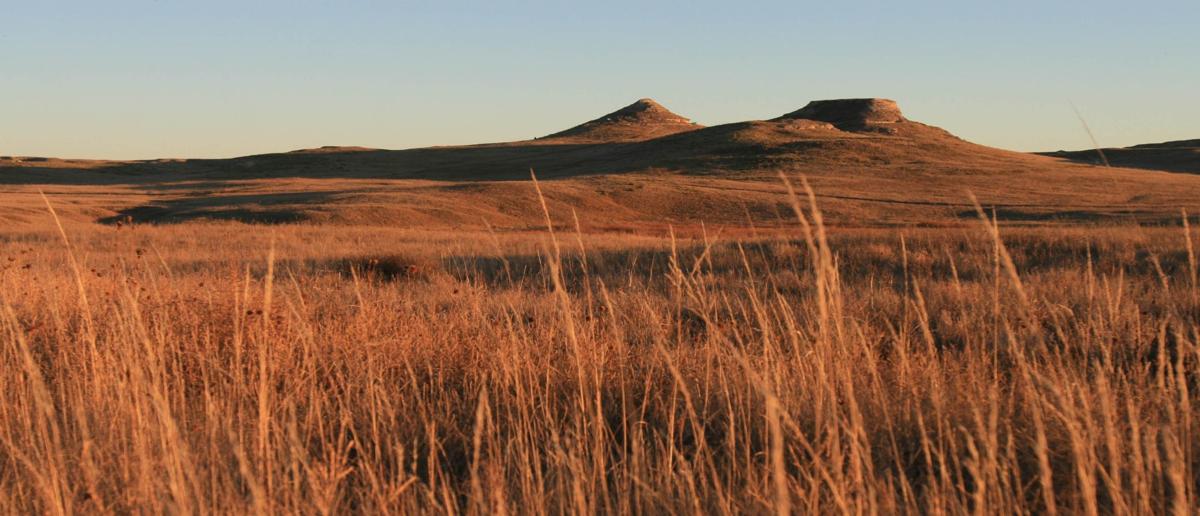
Sunset shadows at Agate Fossil Beds National Monument.
2019-09-08 05:00:00Z
https://www.omaha.com/news/metro/bellevue/year-old-bellevue-girl-serves-as-national-parks-trust-ambassador/article_1913002c-dceb-5a7d-b335-c78f846232dc.html
Bagikan Berita Ini


0 Response to "11-year-old Bellevue girl serves as National Parks Trust ambassador - Omaha World-Herald"
Post a Comment